There’s a particular kind of horror film that doesn’t just scare you, it makes you feel like you’ve stumbled across something you weren’t supposed to see. Dirty, sweaty, sun-bleached cinema that feels dragged straight out of a forgotten VHS bargain bin somewhere in 1978.
That’s exactly the energy queer director Marcel Walz wanted to capture with Brute 1976, his brutal love letter to the exploitation horror era that inspired him growing up.
Ahead of the film’s digital release, we caught up with Marcel to talk queer horror, emotional violence, the strange beauty of the desert, and why the best horror films should leave you feeling a bit unsettled.
Brute 1976 is dripping in that gritty 70s horror energy. What was the moment or film that made you think, “I want to live in this world and make something like this?”
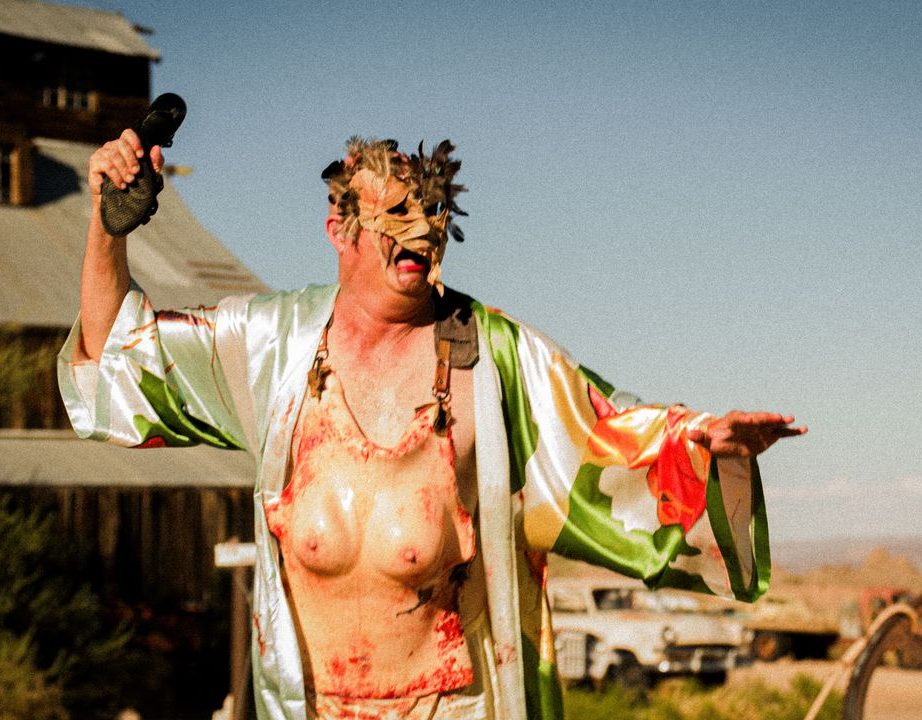
I think that feeling started with The Texas Chain Saw Massacre. The first time I saw it, it didn’t feel like a movie to me — it felt real, dangerous, almost like something you shouldn’t be watching. That rawness completely fascinated me. Later films like The Hills Have Eyes, Last House on the Left, and the gritty exploitation films of the ‘70s really shaped me creatively. I grew up in the VHS era, where horror felt like forbidden treasure. You discovered movies through artwork, rumors, or word of mouth, and that mystery made them even more powerful. What inspired me wasn’t perfection — it was atmosphere. Those films were dirty, sweaty, loud, uncomfortable. You could feel the heat, the dust, the chaos. That’s what I wanted with Brute 1976: not a polished retro movie, but something that feels like it crawled out of 1976 itself.
There’s a real love letter to classics like The Texas Chainsaw Massacre and The Hills Have Eyes in here. How do you balance homage with making something that still feels fresh?
For me, homage only works when it comes from genuine love and understanding. I never wanted to copy those films shot-for-shot or turn Brute 1976 into nostalgia cosplay. What I wanted was to recreate the emotional experience those movies gave me when I first saw them. Technically, we embraced a lot of the filmmaking language from that era — practical effects, handheld camerawork, natural lighting, slower tension-building, and uncomfortable framing. But thematically, I wanted the film to feel modern underneath all that grime. The characters carry trauma, repression, and emotional damage. The violence is not just there to shock; it comes from something psychologically broken underneath.
I think audiences can tell the difference between a film that loves its influences and one that simply imitates them.
The film looks gorgeous but also properly unsettling. How intentional was that contrast between beauty and brutality?
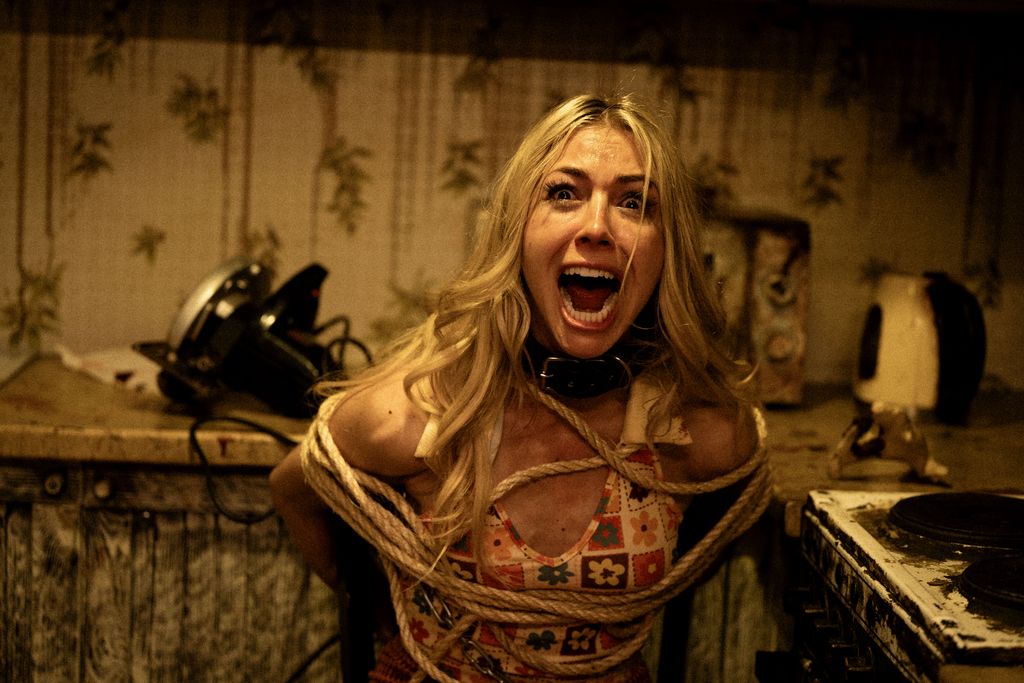
Very intentional. I love visual beauty in horror because it makes the violence feel more invasive. If a film already looks ugly from the beginning, audiences emotionally prepare themselves for brutality. But when you create beautiful imagery — golden sunlight, wide landscapes, elegant compositions — and then slowly poison it with violence and dread, it becomes much more disturbing.
That contrast is something I’ve always been drawn to. Horror doesn’t exist separately from beauty in real life. Sometimes the most horrifying situations happen in places that look completely peaceful. We approached Brute 1976 almost like a nightmare hidden inside a postcard.
You often talk about blending horror and beauty. What does that actually look like when you’re on set?
It means treating horror cinematically, not just functionally. Every frame should communicate emotion, not simply information. On set, I’m constantly thinking about mood — how the light hits skin, how the camera moves through space, how color affects tension.
Sometimes we would shoot extremely brutal moments in almost romantic lighting, which creates emotional confusion for the audience. I love that contradiction. It makes the horror linger longer psychologically. And honestly, collaboration is everything. Production design, makeup, costumes, cinematography — they all contribute to creating that emotional texture. Horror only works when every creative department is telling the same story visually.
The desert setting feels like its own character. What drew you to that kind of isolation?
The desert is terrifying to me because it’s beautiful but completely indifferent. There’s nowhere to hide, nowhere to escape, and the silence becomes oppressive. It strips people down emotionally. That isolation was very important for the story because Brute 1976 is really about emotional exposure. Once the characters enter that environment, there’s no more pretending. Everything hidden underneath starts surfacing. Also, visually, the desert just belongs to ‘70s horror. There’s something primal about those empty landscapes in films like The Hills Have Eyes or Texas Chain Saw. The environment itself starts feeling hostile.
There’s a strong theme of hidden pasts and things not being what they seem. What were you exploring underneath the surface of this story?
I was very interested in the violence people carry internally — trauma, shame, repression, emotional scars that slowly rot underneath the surface. Horror is such a powerful genre for exploring those things because monsters and brutality often become metaphors for emotional damage.
Everybody in Brute 1976 is hiding something in one way or another. Some characters hide guilt, others hide desire, others hide fear or identity. The horror grows from those buried truths. I never approach horror as “just violence.” For me, the violence only becomes effective if there’s emotional honesty underneath it.
The “family” at the centre of the horror feels very deliberate. What does that idea mean to you?
Family horror has always fascinated me because family is supposed to represent safety, identity, and love — but it can also become toxic, manipulative, and terrifying. Films like The Texas Chain Saw Massacre understood that perfectly.
In Brute 1976, the family isn’t just biological — it’s ideological. It’s about belonging, control, emotional dependency, survival. I’m very interested in how people create their own moral systems inside isolated environments. And honestly, some of the scariest horror comes from people who genuinely believe their behavior is normal.
You’re an openly queer director working in horror. Has that shaped the way you tell stories or build characters?
Absolutely. I think being queer naturally changes how you observe people and identity. Many queer people grow up understanding performance, secrecy, hiding parts of themselves, or feeling like outsiders. Those themes connect deeply to horror.
I’m often drawn to characters living on emotional or social margins. I also think queer filmmakers sometimes approach vulnerability, desire, and fear differently because we’ve experienced those emotions through a different lens.
But I never sit down thinking, “I’m making a queer horror film.” I just tell stories honestly, and my perspective becomes part of the DNA automatically.
Horror has always had a strong queer audience. Why do you think the genre resonates so much with LGBTQ+ viewers?
Because horror understands outsiders. It understands transformation, fear, secrecy, survival, shame — emotions many queer people know intimately.
Historically, queer audiences often identified with monsters because mainstream cinema rarely represented them honestly. Horror became a space where difference was powerful rather than invisible. And horror is one of the few genres where social rules collapse completely. Gender, morality, sexuality — everything becomes unstable. That freedom makes the genre incredibly appealing for LGBTQ+ audiences.
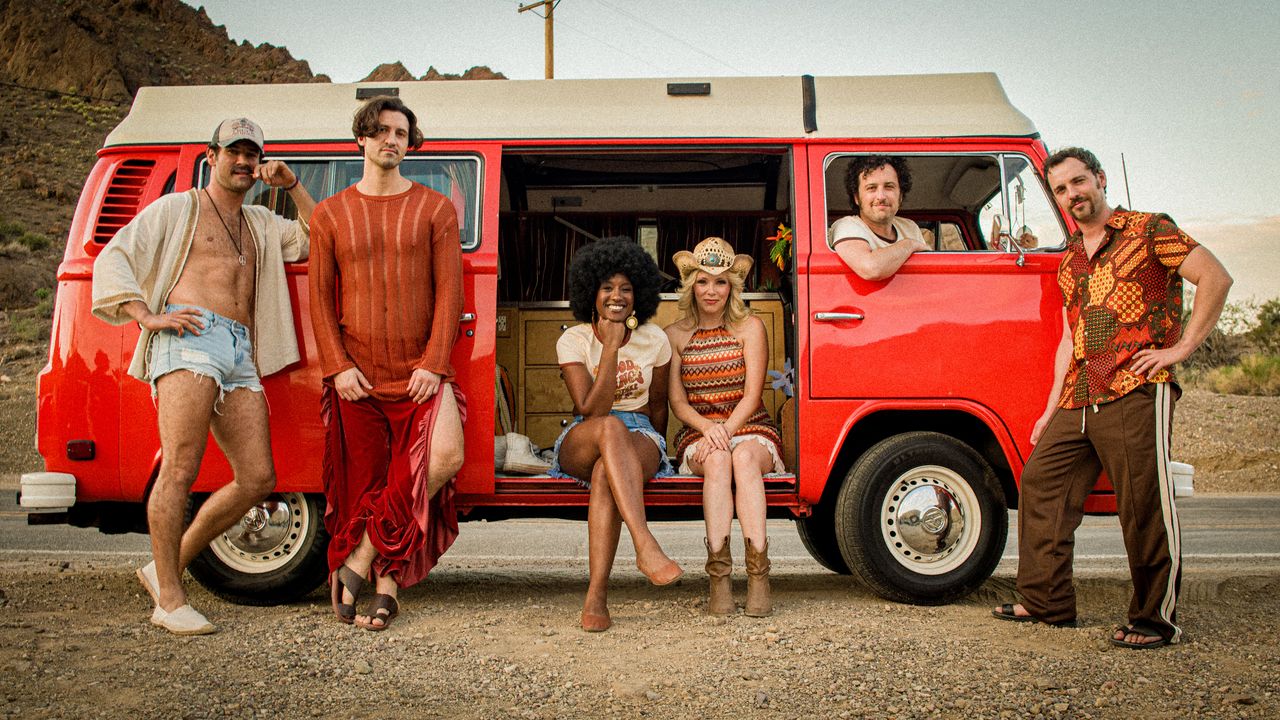
You’ve worked with some of your cast and collaborators before. What keeps you coming back together?
Trust, honestly. Film sets can become very intense, especially in horror, and when you find collaborators who truly understand your energy and creative language, you want to keep building with them. There’s also less ego involved because everyone already understands the process. We can take bigger creative risks because there’s mutual trust there. That’s very important to me. And filmmaking is such a personal process that over time your collaborators almost become family themselves.
Horror shoots can get intense. What was the wildest or most memorable moment from filming Brute 1976?
The entire shoot honestly felt slightly surreal because of the heat, the isolation, and the intensity of the material. But I remember one sunset sequence very clearly where everything suddenly aligned perfectly — the lighting, the dust in the air, the performances — and for a few minutes it genuinely felt like we had travelled back into the 1970s. Those are the moments filmmakers live for. And then, of course, immediately after that, something technical broke and everybody started panicking. That’s independent filmmaking. Chaos and magic constantly existing together.
You started directing at 17. Looking back, what do you know now that you wish you’d known then?
I wish I had understood earlier that filmmaking is collaboration, not control. When you’re young, you feel pressure to prove yourself constantly, like you need to know every answer. Now I understand that confidence comes from experience, adaptability, and trusting the people around you. Mistakes are also incredibly important creatively. Every bad decision teaches you something about your own voice. And honestly, surviving difficult productions teaches you more than easy ones ever could.
You’ve done both remakes like Blood Feast and original work. What excites you more creatively?
Original work will always feel more personal because you’re building a world entirely from instinct. There’s something very exciting about creating mythology from nothing. But remakes are fascinating too because you’re entering into a conversation with cinema history. With Blood Feast, I wasn’t interested in simply recreating the original — I wanted to reinterpret its energy through my own sensibilities. So creatively, both experiences challenge different parts of you as a filmmaker.
Horror fans can be brutally honest. How do you handle that level of scrutiny?
Horror fans are passionate, and honestly, I respect that. I’d rather people react strongly than feel absolutely nothing. The genre is very personal. Some audiences want psychological horror, others want gore, others want atmosphere. You can’t make horror trying to satisfy everybody because that usually creates something safe and forgettable.
At the end of the day, I trust my instincts. If people love it or hate it passionately, at least the film connected emotionally somehow.
If someone’s hovering over “play” on Brute 1976, what would you say to get them to commit?
I’d say: if you miss horror films that feel raw, sweaty, dirty, and genuinely dangerous — this is your movie. Brute 1976 is a love letter to the exploitation era, but it’s also emotionally brutal and visually immersive. We wanted it to feel like a lost VHS nightmare somebody discovered in the desert after fifty years.
And honestly… horror should leave you feeling slightly uncomfortable afterward. Otherwise, what’s the point?
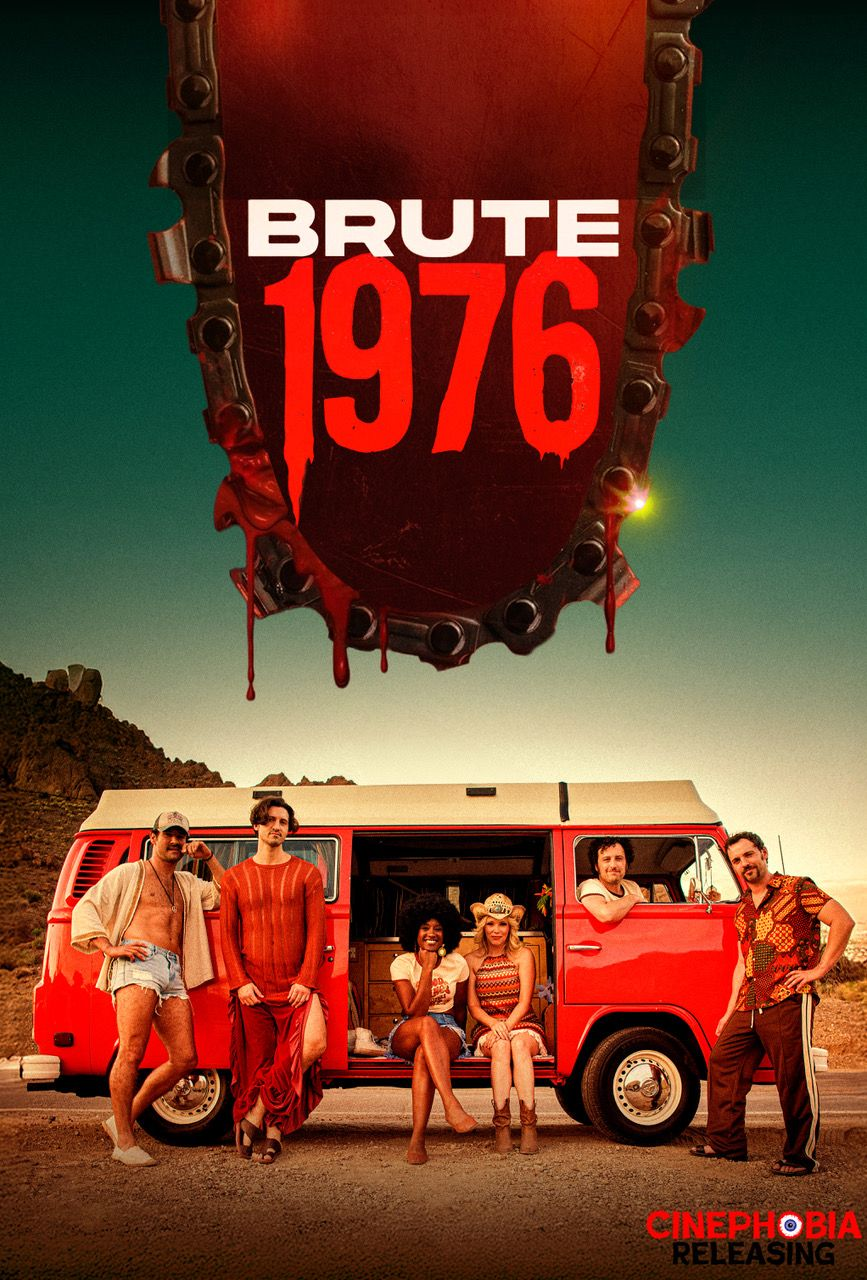
Brute 1976 is available now across digital streaming platforms, including Amazon Prime, Apple TV, GooglePlay/YouTube, Tubi and Pluto.
Watch the trailer and find out more via Cinephobia Releasing