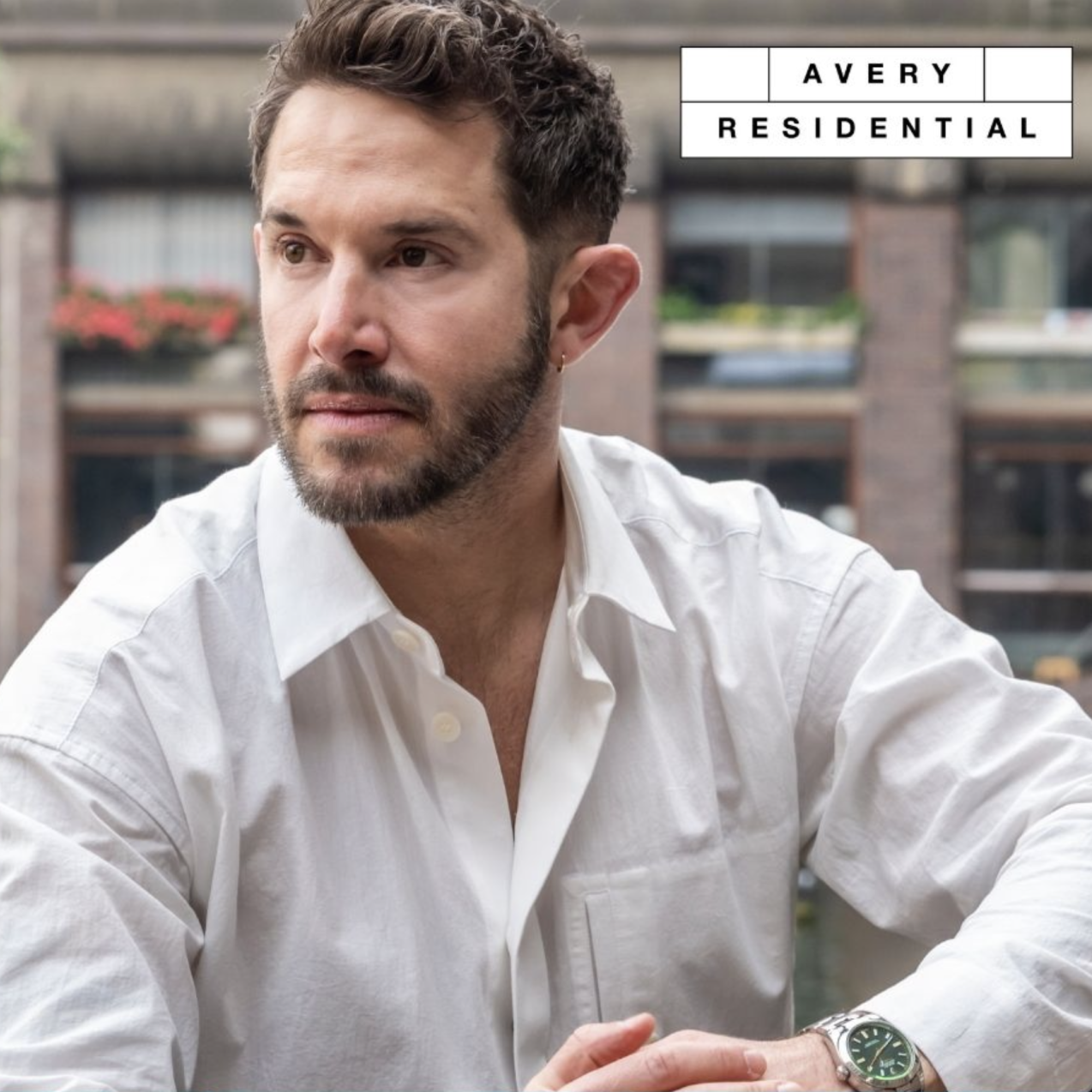
London isn’t a city you arrive in, it’s one you grow into. For Thomas Avery, Managing Director of Avery Residential, that idea sits at the heart of how people are choosing to live in the capital today. After more than 20 years in property, he’s seen the city shift, not just physically, but culturally.
We caught up with him to talk about where LGBTQ+ London is living now, how the city is changing, and why nightlife might be more important than ever.
Q: What’s your personal relationship with London?
What pulled me here was opportunity, but what’s kept me here is the energy. It’s a city built on layers of identity, and that’s especially true within the LGBTQ+ community. There’s a constant sense of movement, reinvention, and expression.
Working in property here has made me realise that a home in London isn’t just about the space, it’s about access. Access to culture, to people, to nightlife, to a version of yourself that maybe doesn’t exist anywhere else. That’s what people are really buying into.
Q: Has the idea of the “gay neighbourhood” changed?
The idea of the “gay neighbourhood” hasn’t disappeared; it’s expanded. Soho and Vauxhall are still culturally iconic, but London’s queer energy now runs right across the city. Hackney, Peckham, Clapham, these aren’t just places to live, they’re places to exist. And nightlife is at the centre of that. It’s where connections are made, where identity is expressed, where people find their people. It’s not separate from daily life; it is part of it.
What’s exciting now is that there isn’t just one hub. London offers multiple scenes, multiple communities, multiple ways to belong.
Q: What’s driving where people choose to live now?
People are no longer choosing homes based purely on location; they’re choosing them based on lifestyle. There’s a real shift towards living in the city, not just commuting through it. Being close to culture, music, nightlife, and social energy has become a priority. Younger generations are building lives that are expressive, social, and experience-driven. Where they live is an extension of that; it’s part of their identity.
London has become less about postcode status and more about how a place makes you feel.
Q: What do the upcoming rental changes mean for Londoners?
The removal of Section 21 is a major shift, and a necessary one. At its core, it gives renters something London has often lacked: stability.
That stability allows people to build a life in their home, to connect with their area, their community, and the culture around them. For LGBTQ+ renters especially, that sense of security is incredibly important.
It means London becomes not just somewhere you pass through, but somewhere you can properly belong.
Q: You’ve positioned Avery Residential as a more inclusive agency, what does that actually mean in practice?
Inclusivity, for me, is about awareness, not performance. The property industry hasn’t always reflected the reality of London. It can feel outdated, overly traditional, and disconnected from how people live.
I wanted Avery Residential to feel different, more aligned with the city itself. More open, more aware, more in tune with culture.
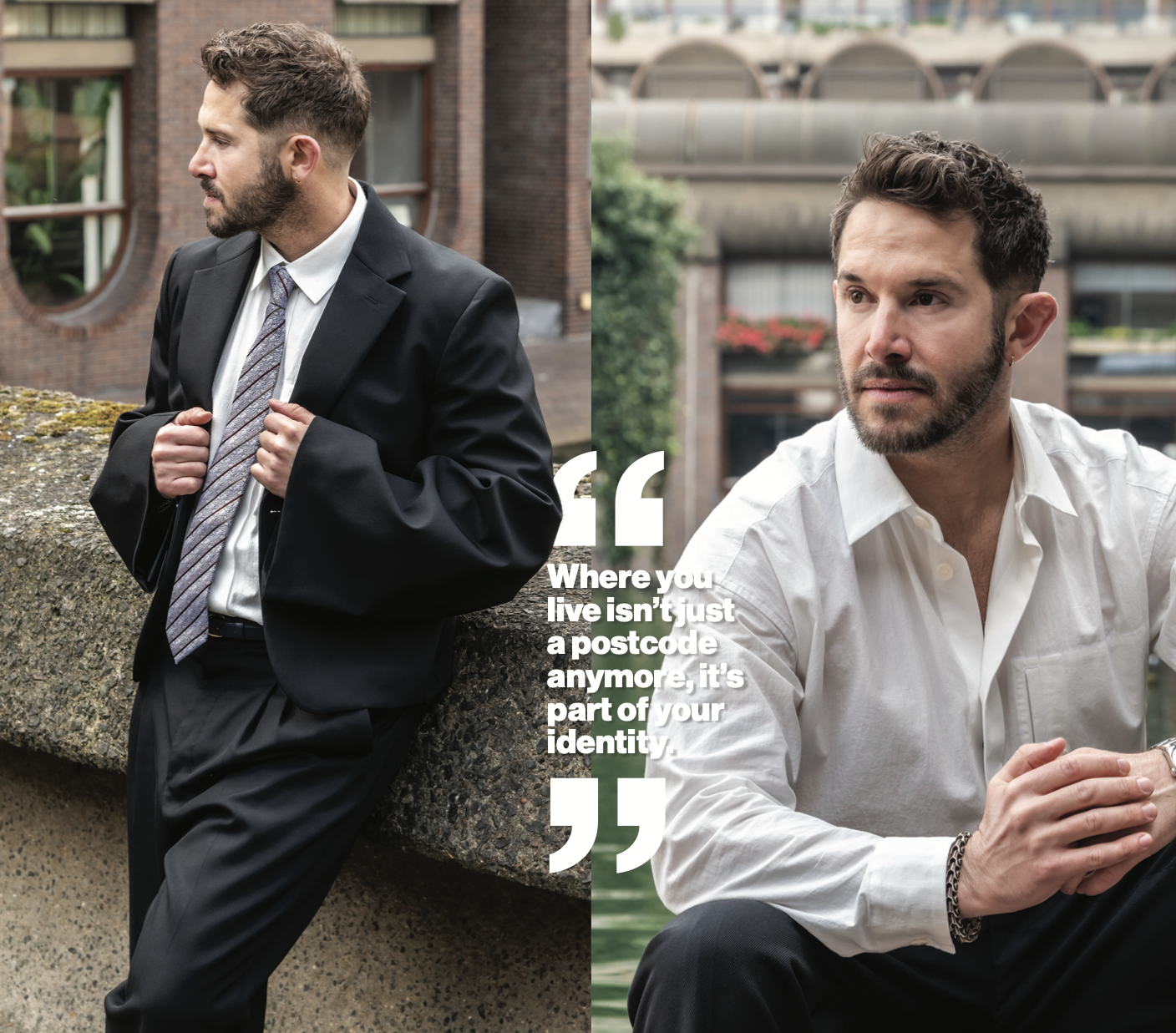
The Stonewall training was about making sure that wasn’t just a statement, it was something we understood properly and applied in real terms. Where you live isn’t just a postcode anymore, it’s part of your identity.
Ultimately, it’s about creating an environment where people feel seen and understood. And in a city like London, that should be the standard.
Q: How important is nightlife to all of this?
London’s nightlife isn’t an add-on; it’s infrastructure. It’s where culture is created, where communities are built, and where London really comes alive. For the LGBTQ+ community, these spaces are essential.
Places like The Divine and Dalston Superstore capture that perfectly, expressive, raw, inclusive, and completely current.
These venues aren’t just places to go out, they’re places to connect, to be visible, to belong. And from a property perspective, it matters. People choose where to live based on access to that energy.
Q: Quick one, where should a single gay man move to in London right now?
East London. You’re stepping straight into one of the most culturally alive parts of the city, where nightlife, community, and creativity all collide.
You’ve got spaces like The Divine on your doorstep, a strong LGBTQ+ presence, and a social energy that feels completely authentic.
It’s London at its most current and its most alive. If you’re rethinking where, and how, you live in London, Avery Residential offers a more considered, culturally aware approach to property.
If you’re a landlord or seller in London looking for a more considered, inclusive approach to property, Avery Residential offers a bespoke service shaped by how people live today.
Get in touch to discuss your property at averyresidential.co.uk
Or connect with Thomas Avery directly via Instagram – @tom.averyldn1 or @averyresidential